
CELEBRATE SUNDAY
WITH ST. MARY'S
THE DEDICATION OF THE LATERAN BASILICA
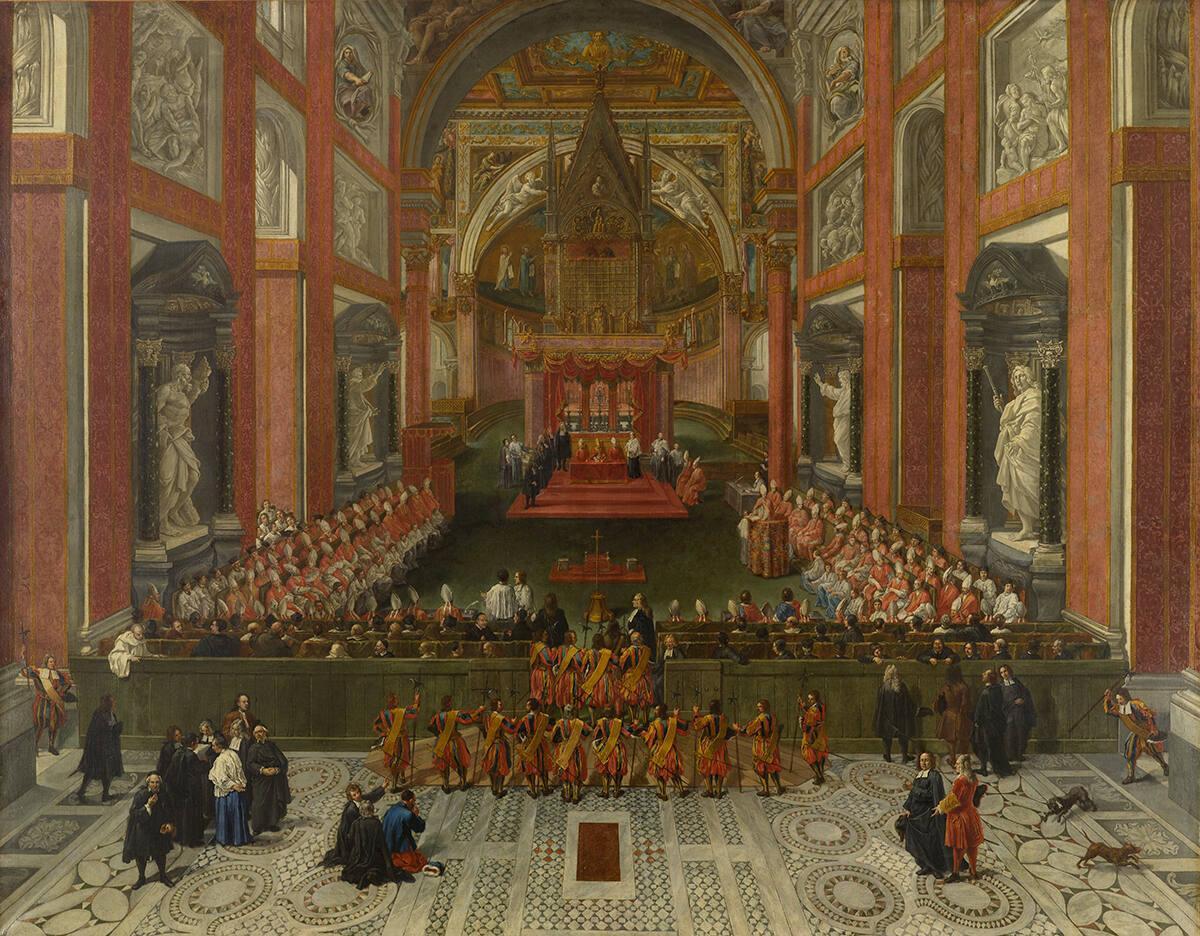
The Church and sacraments keep us safe.
DEDICATION OF THE LATERAN
Catholicism seems to place a large amount of meaning on physical buildings, in their architecture, in their purposes, and even in their history. These are the works of human hands; buildings are functionally necessary for many aspects of our lives, so why would we add anything more to them than what is only necessary? All buildings serve a common purpose: they are meant to protect what is within from that which is outside. Usually, this simply means a protection from the elements. But for Catholicism, the elements are a necessary part of our sacramental life. This is particularly true for water. Whereas a building might protect us from rain, just as the ark was built to protect Noah and his family from the flood, we still need water for the most essential elements of life. Our very souls are marked by the use of water in baptism, which we receive within the walls of one of these meaningful buildings.
READ THIS SUNDAY'S MESSAGE
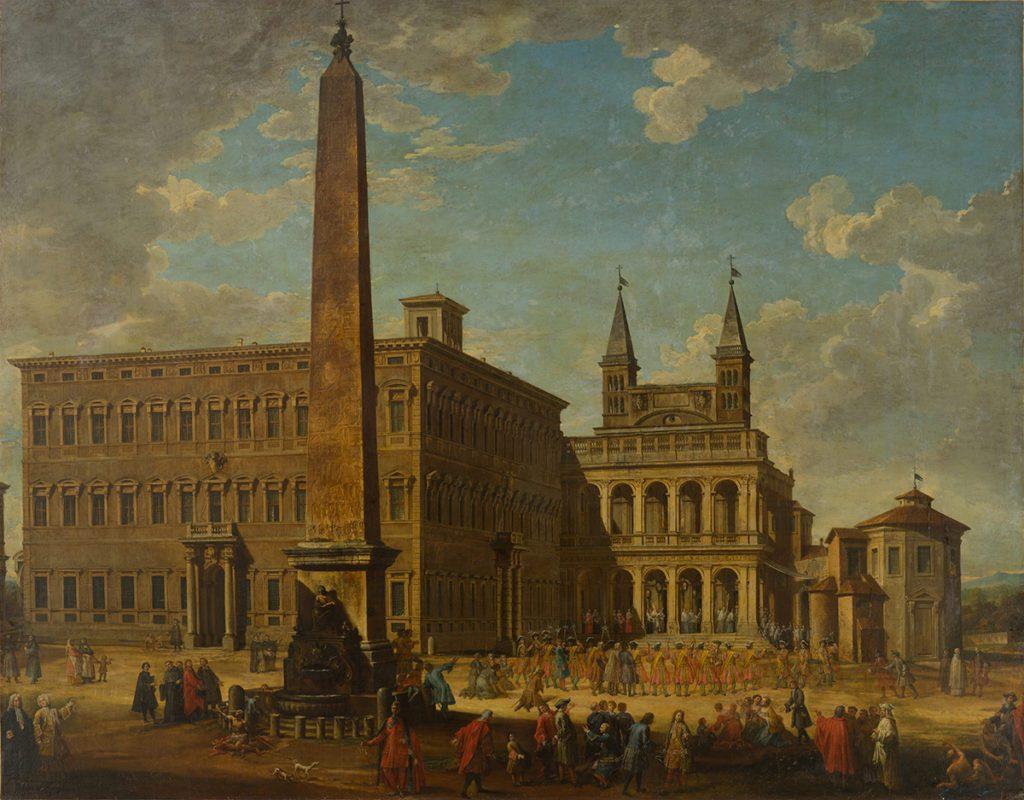
In every religion, there is bound to be a single building that holds the most significance. For most religions, the word that is used for this building is the same–a temple. In Judaism and in the faith of Christ, the Temple in Jerusalem was the holiest building on earth. It was built upon the location of Abraham’s attempted sacrifice of Isaac, and it contained within it the literal residing place of God on earth in the Holy of Holies. With this same mentality, we have a “temple” in Catholicism, too. Wherever the body of Christ is kept, there is the literal presence of God, because Christ referred to his own body as the Temple. Every chapel, every church, every cathedral, and every basilica, is a temple. But even in Catholicism, there is a hierarchy of importance for our buildings. A cathedral is the most important type, not because God is particularly more present there, but because the seat of our human authority within the Church can be found there. There is also a single Cathedral in the world that is considered the “mother church” for the entire world because it houses the seat of authority for the leader of the worldwide Church. This is not St. Peter’s Basilica in the Vatican, but rather the Cathedral of St. John Lateran in Rome, and on this special Sunday, we celebrate the feast of its dedication. God clearly wants us to emphasize the importance and meaning of our buildings, which is why beauty is such a necessary characteristic of our constructions. The Cathedral of St. John Lateran is meant to be a haven and a home for the faithful of the world, a place where all of us can go to protect ourselves from the threats of the outside world. When we are within her walls, we are comforted by the beauty of her sanctity.
Today’s feast of the dedication of the Cathedral of St. John Lateran should remind us of the prevalence of temples today. The Temple used to be a single building in the world where others could exclusively find the presence of the divine. Now, we can be in the holy presence of God every time we walk into a church with a tabernacle. Most importantly, though, we ourselves become temples when we receive the body of Christ into us through the Eucharist. We venerate the beauty and sanctity of our churches. We take great care in building the structure and safety features of our glorious cathedrals. We ought to approach our own bodies in the same way if we are to be temples of God. Just as a building protects us from the things of the outside world, we must protect the body of Christ from the things of this world through our bodies. We must wash ourselves spiritually in the waters of baptism, and keep ourselves clean as a residing place for God on earth.
© 2026 All Rights Reserved
Site by 