
CELEBRATE SUNDAY
WITH ST. MARY'S
THE THIRTY-THIRD SUNDAY IN ORDINARY TIME
Our Lord is the treasure.
THIRTY-THIRD SUNDAY IN ORDINARY TIME
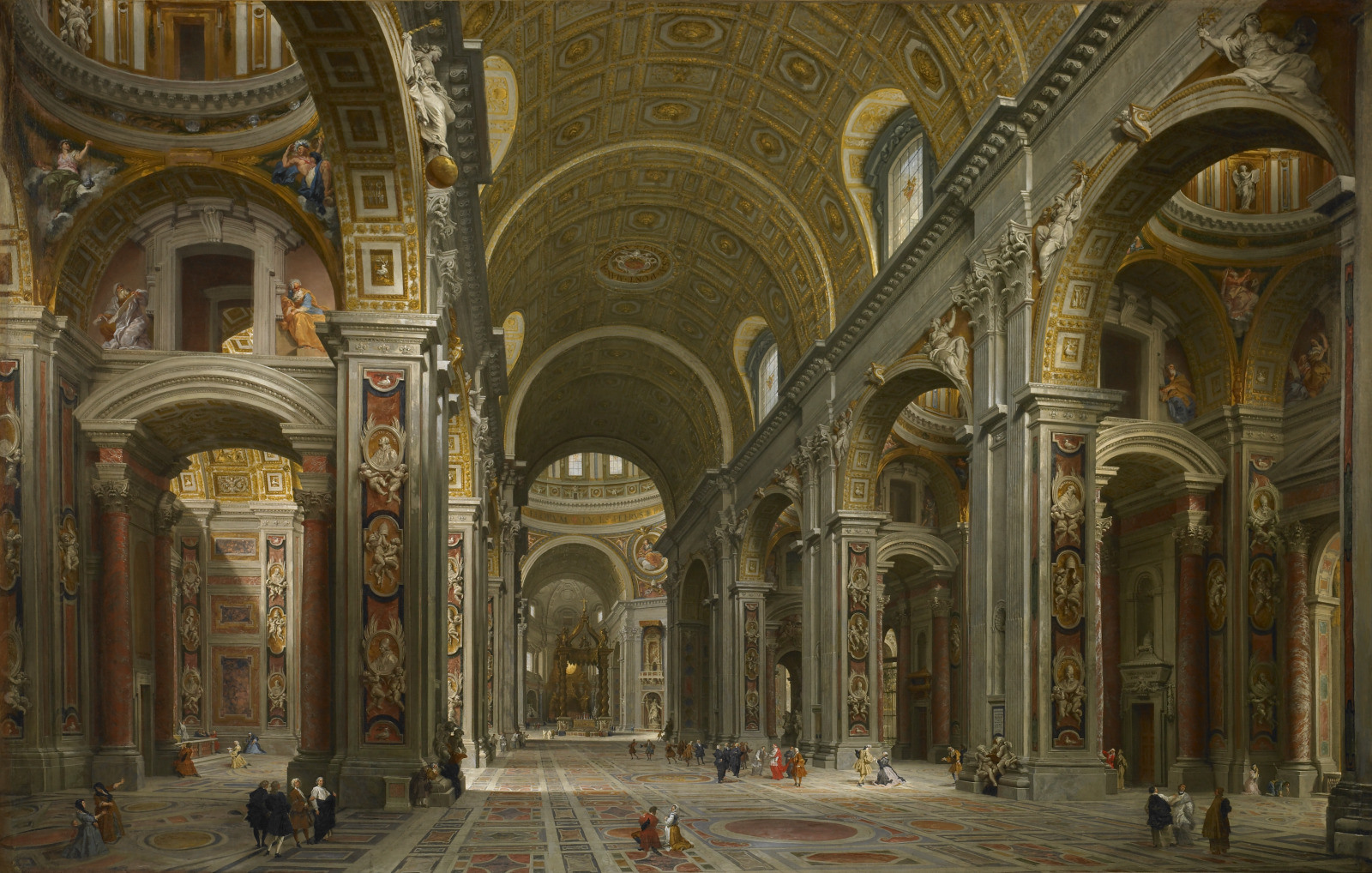
The historical city of Rome is defined by two prevailing cultures: the remnants and ruins of the extinct Roman Empire and the glory and beauty of the Catholic Church. What remains of a building like the Colosseum pales in comparison to the grandeur of a place such as St. Peter’s Basilica in the Vatican. But the lost glory of the Empire and the current glory of the Church are not necessarily indicative of their inherent value; one day, we might return to our days of worshiping in the catacombs while the secular powers that be live lavishly in public. Christ warned us often that the true treasure and value of a people is their receptivity to God, particularly in allowing Him to reside among them. For us, that Divine Presence is not in the marble and gold of cathedrals, but in the most Holy Sacrament of the Altar.
READ THIS SUNDAY'S MESSAGE
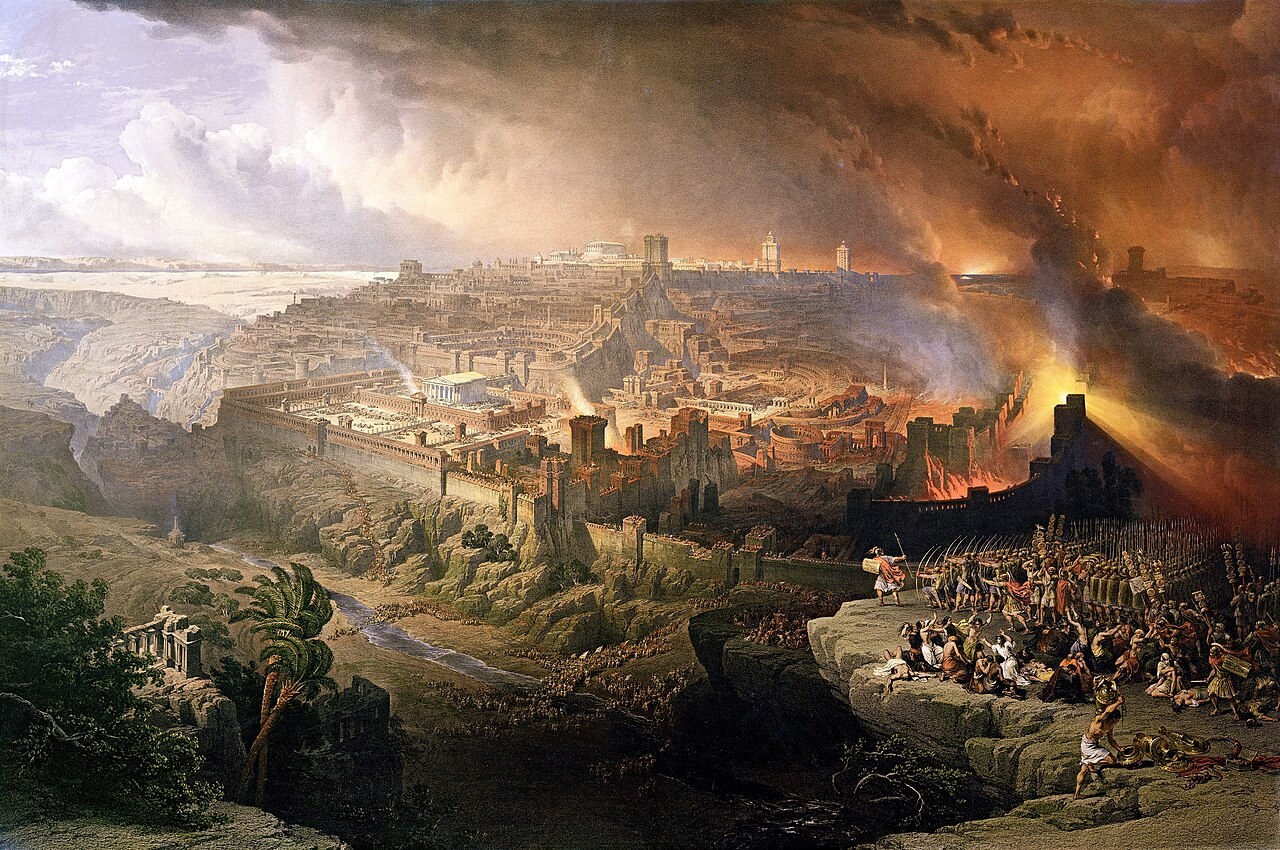
The Colosseum was a massive project built early in the first century by the Flavian dynasty, a group of related emperors who were at the forefront of one of the most significant times in world history. The Colosseum’s actual name is the Flavian Amphitheatre because it was these emperors (Vespasian, Titus, and Domitian) who secured the funds to build such a project, which were provided by Vespasian and Titus’ victory over the Jews, which resulted in the destruction of the Temple in 70 AD. Christ prophesied often about the impending destruction of the Temple, even though it occurred forty years after his death. We hear one such example of this warning in this Sunday’s Gospel. Clearly, there was something deeply meaningful about the permitted destruction of God’s holy residing place on earth. The Temple was unquestionably filled with unimaginable riches, which the Romans were able to use to build the grandiose Colosseum, and images of this victory for the Romans can be found on the triumphal arch of Titus which is still located near the Colosseum. How could it be that Christ himself, the Son of God and the recipient of all the glory that was put into the temple, permitted its destruction and its defilement? The Empire did not last long after the Flavians; only a few centuries later, the most powerful empire in history crumbled by poor leadership, hedonism, and selfishness. The city of Rome was slowly taken over by the power of the Popes and the Church, and became synonymous with the mystical body of Christ. A thousand years after the fall of the Roman Empire, the Church began constructing the new St. Peter’s Basilica across the Tiber from the Colosseum. They stripped the beautiful marble that once lined the seating of the amphitheater, and used it to build the floors and walls of the majestic Basilica. What was once paid for by the destruction and sacking of God’s Temple was retaken and reused to adorn His new temple - the Church. It only took 1500 years.
If we pay very close attention to this Sunday’s Gospel, we see exactly what the trajectory of triumph is in the history of humanity. St. Peter’s Basilica will not last. Its marble will fall to ruin, and the grandeur of its architecture will be reduced to rubble, either by an act of God or at the hands of men. But it is not in the building that the Church triumphs. In the end, there is only one who triumphs: Jesus Christ. If you want to triumph with him, you must reject every attachment you have to this world and attach yourself to his body, both in the Church and in the Eucharist. Your reward for following Christ is Christ himself, nothing more. This is what those who held onto the Temple got wrong. This is what the Romans got wrong. Our churches are wonderful and holy things. But our treasure is Christ; his body is a treasure that will not die, even when we lose everything else. We will suffer through apparent losses on our way to victory, but in the end, Christ will triumph.
© 2026 All Rights Reserved
Site by 