
CELEBRATE SUNDAY
WITH ST. MARY'S
THE TWENTY-EIGHTH SUNDAY IN ORDINARY TIME
Express gratitude for the graces you have received.
TWENTY-EIGHTH SUNDAY IN ORDINARY TIME
When we undergo the Sacraments of the Catholic Church, we are receiving the greatest gifts God could possibly offer humanity. Do we see them as such, though? Do you remember your Baptism, or do you remember having your children baptized? Did you truly rejoice over the salvation of your soul or their soul? Do you remember your first Holy Communion? Did you rejoice over being able to physically receive the body of Christ? Do you remember your Confirmation? Was your heart enflamed upon receiving the gifts of the Holy Spirit? Upon receiving any of the other four sacraments, were you in the mindset that your life was being utterly transformed by the spiritual graces being bestowed upon you? The Sacraments change our life. They take us from sinners to beloved children of God, from aimless to properly-oriented, from empty-handed to richer than any other on earth. Such priceless gifts should require of us, at the very least, a heart of pure and endless gratitude to the one who gives them to us.
READ THIS SUNDAY'S MESSAGE
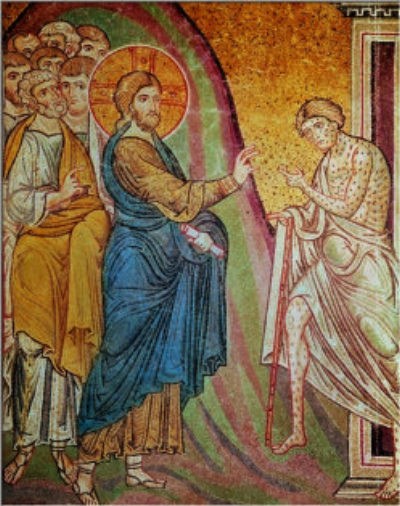
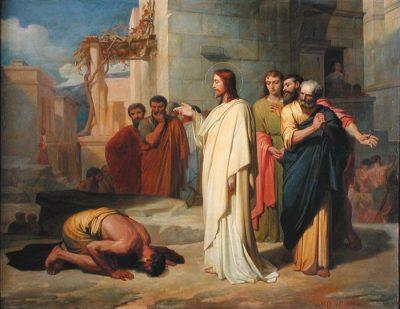
The stories within Scripture, particularly within the Gospels, are real-world prefigurements of deeply spiritual and theological truths. For someone who desires to enter into a relationship with God, the very first solemn step is to mark yourself for your Creator. The Jews did so through the rite of circumcision, placing upon themselves a physical mark on the body to set themselves apart for God. In the light of Christ, though, the mark of baptism becomes indelible and placed on the soul, unseen by the naked eye. Because we are human, we falsely assume that the only things worth knowing can be sensed, but God has instilled in us a recognition that there is more to us than just the physical world. The status and health of our souls are far more indicative of our whole being than our bodies, and baptism transforms our souls. In this Sunday’s Gospel, we hear about the one leper who was cleansed of his physical ailments along with nine others, though he was the only one to return, expressing gratitude to the one who healed him. This story, both in its real-world details and in its symbolism, should have allowed the early Christians to call to mind the story we hear in the first reading, when Elisha cures Naaman of leprosy by dunking him in the water of the Jordan. The leper in the Gospel experienced a physical “baptism” by Christ, one that completely cleansed him of his impurities. But, unlike the others, he showed gratitude; as Christ tells him, his faith saved him on a level far deeper than his physical body.
We received the same salvific cure that this leper did when we were baptized. We must understand how monumental such a gift was for us. We must also show our gratitude, for this is the only way that our participation in this gift allows us to properly understand God’s charity towards us. When writing this story, Luke deliberately makes sure to include the detail that the one leper who returned was a Samaritan. All are made worthy of being saved through the act of baptism. All are made worthy of being recipients of God’s greatest gifts to us, the sacraments, simply because God has deemed us worthy. These gifts are available to you. Receive them, and receive them graciously. In our relationship with God, there is nothing more meaningful than to receive what He gives us and for Him to receive the gratitude we give Him in return. Reciprocal giving and receiving is the basis of any healthy relationship. God allows us to do the same with Him.
© 2026 All Rights Reserved
Site by 