
CELEBRATE SUNDAY
WITH ST. MARY'S
THE TWENTY-FIFTH SUNDAY IN ORDINARY TIME
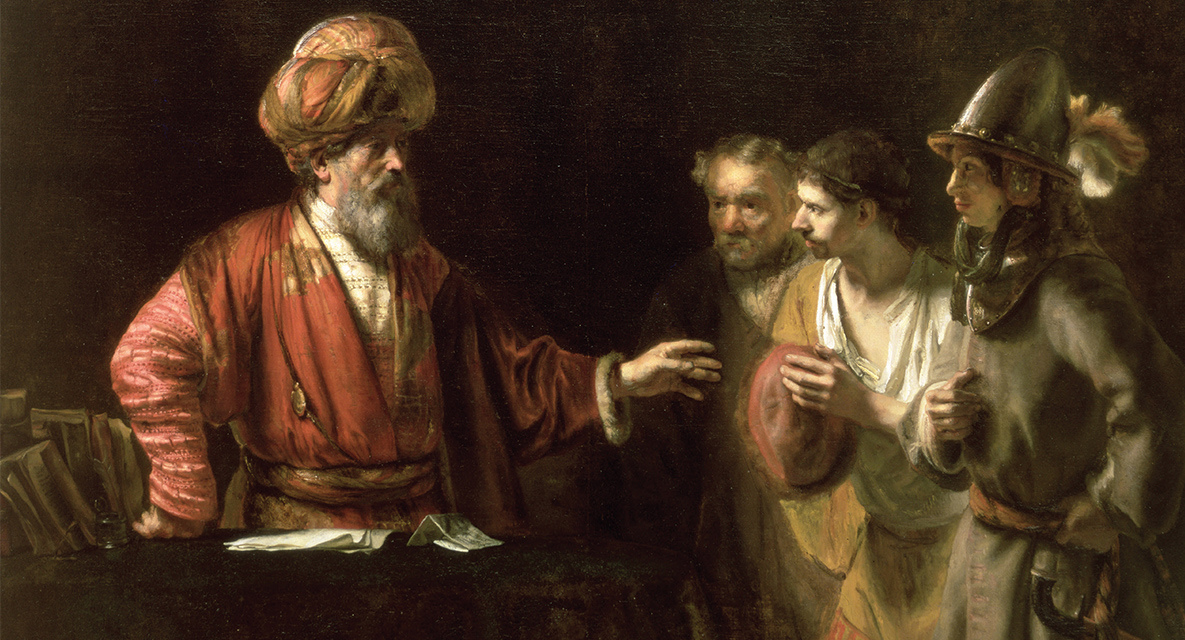
Use your shrewdness for God.
TWENTY-FIFTH SUNDAY IN ORDINARY TIME
God will never accept immorality. If we want to live in conformity with Him, we must be able and willing to leave all sins and all imperfections behind in order to follow Him. With that being said, the message we receive this Sunday might affirm this obvious truth: we cannot serve God and the things of this world, we must choose one. Yet we might also be distracted from receiving that message when we first hear the extremely uncomfortable parable that precedes that lesson. In the parable of the unjust steward, we are faced with a command from Christ seldom appreciated and often neglected: in everything we do, we must be shrewd, but our shrewdness will be so much more powerful, effective, and edifying when we orient it towards God’s Divine Will.
READ THIS SUNDAY'S MESSAGE
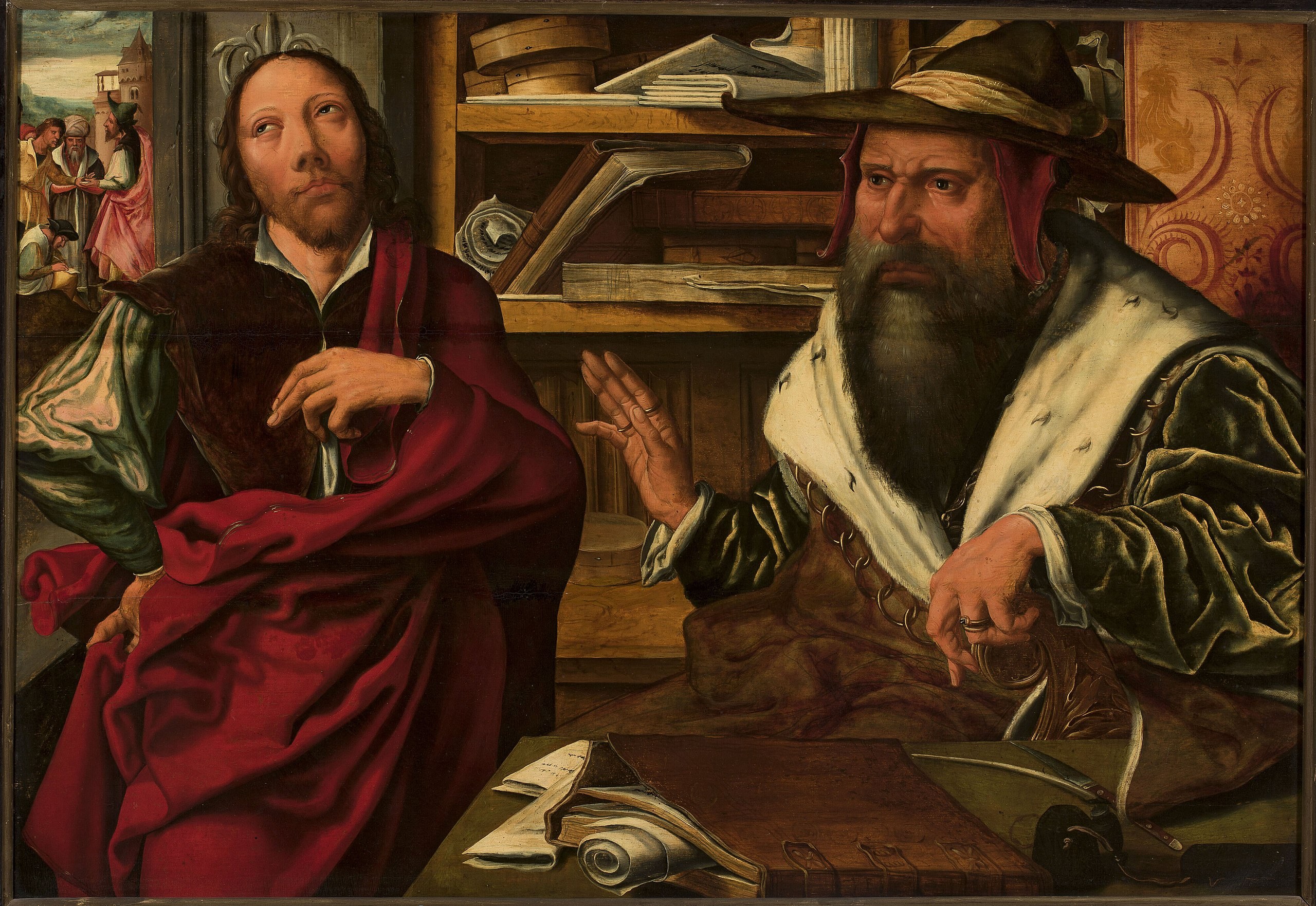
Initially, this parable might appear to be commending the dishonest steward, whose continued dishonesty is precipitated by his thievery. The steward has been given the authority over his master’s debts, and when the master confronts the steward on reports of his theft and squandering of his property, the steward essentially admits his guilt in his silence. Without any other options (he is not strong enough for manual labor and too proud to beg), he decides to take advantage of his master’s reputation for kindness and generosity. When the steward calls the debtors to come to him, they willfully change the amount they owe in the books and curiously do not question such a drastic cut in their debts. This ought to reveal to us that the master had already gained a reputation for being generous and good-hearted. The dichotomy of character in this parable (the goodness of the master and the cunning wickedness of the steward) is contextualized by a third group–the community. For many, the debts they owed have been halved; and these debts were significant, amounting to at least a year and a half’s worth of wages. In response to such apparent generosity to the one who is owed the debt, the community would have gathered together to celebrate, in particular they would have come together to specifically celebrate the goodness and generosity of the master. When the master eventually discovers the situation, he has two options: become the bad guy by saying this was done falsely through the steward and demand full repayment, or he could make everyone happy by forgiving these enormous debts, by retaining his reputation for generosity, and by highlighting the professional, albeit selfish, shrewdness of the steward. He decides to choose the latter.
As Christians, we so focus on mercy, on turning the other cheek, on leading our lives with generous love rather than suspicion of others. But Christ elsewhere tells us to remain loving, to remain gentle as doves all while also being as shrewd as serpents. We live in a fallen world. Even in the Church community, we tend to fall back into selfishness and infighting; when those moments arise, we need a sense of prudence or shrewdness to guard us against the world taking advantage of our loving disposition. In this uncomfortable parable, Christ does not commend the steward’s dishonesty; rather, he commends the steward’s shrewdness. This shrewdness would have allowed the community to see some value in the steward’s work ethic, even if he has lost their trust in his dishonest dealings. But it is far better that they have him exercising that shrewdness on their behalf than to turn to some other community and use his skills against them. What if, instead of uniting our cunning, shrewd, and prudent skills to our sins, we instead unite them to our love for God and our work in evangelization? If God can take our sins and our shortcomings and extract the greatness of His glory through them, how much more will He be glorified if we use those same motivations, not for our own interests, but for His Will? In our humanity, we have been granted tremendous intellectual power. We ought not leave that gift to the side when we take on the Christian identity of love. Instead, let us unite our intellect with our love, and use our shrewdness for His glorification.
© 2026 All Rights Reserved
Site by 