
CELEBRATE SUNDAY
WITH ST. MARY'S
TWENTY-FIRST SUNDAY IN ORDINARY TIME
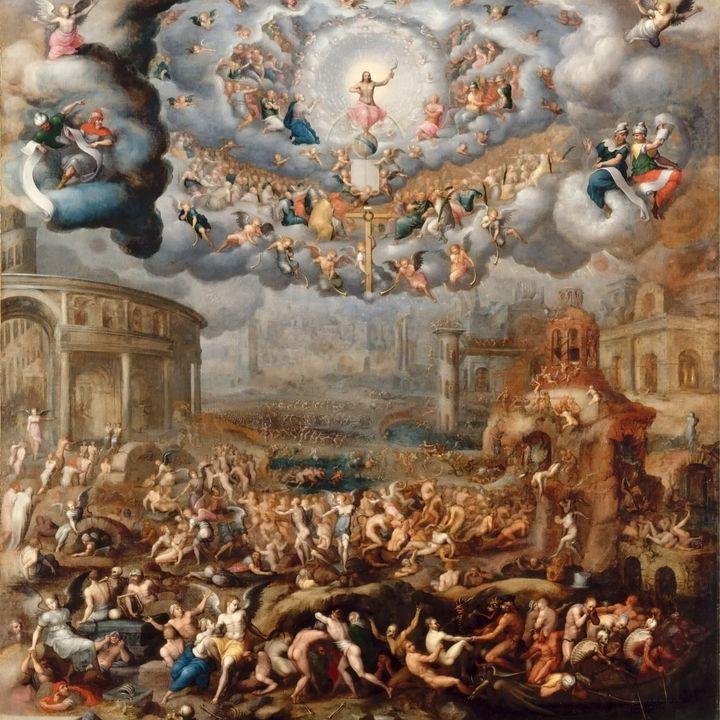
Do not think about the number of those saved, but the love of those saved.
TWENTY-FIRST SUNDAY IN ORDINARY TIME
Being vulnerable to those around us can be a very scary thing. We want to seek comfort, guidance, and love, but sometimes we are simply too afraid to do anything about it. For most of us, we try to maneuver around being open and honest so that we can seek out those things without being vulnerable. But God does not want us to skirt around what is actually weighing on our hearts. He wants us to approach Him with honesty and vulnerability, because in order for Him to work through us, we must first be able to allow Him to do so. This is impossible if we cannot be honest with ourselves and with others, especially God in our prayer life.
READ THIS SUNDAY'S MESSAGE
Because he is God Himself, Jesus had both the power of God and the will of God. His power enabled him to see through dishonesty and timidity in order to get to the real questions that people posed to him, while his will ordered him to actually extract what it was for which people actually approached him. Jesus hardly ever responded to questions exactly as they were posed to him; he was far too wise for that. Instead, he could determine exactly what it was that a person was trying to ask him, and answered that instead. It might be frustrating for the reader, but it is deeply challenging and satisfying for the person who posed the question. In today’s Gospel, someone poses a very important question to Jesus that most people in the world today would want to know the answer to: “Lord, will only a few people be saved?” Jesus does not answer this question directly. If he says that most, or even all, are saved, then sinners might rejoice in their sin, assuming that they are not as bad as others. If he says that hardly anyone will be saved, those still on their path towards perfecting their behavior might feel inadequate and fall into despair, perhaps the most condemning sin. But the person who posed this question was not really asking Jesus how many are saved. He was asking, “am I going to be saved?” Jesus saw through the initial question, and answered the real question: “Strive to enter through the narrow gate.” It does not sound like many people are saved with this answer, but it does directly challenge the one who poses it–just try. God wants you there with Him, and you want to be there for Him. In his direct approach to the man, Jesus is very simply telling us that we should not concern ourselves about the numbers or those who behave like us. Instead, we should be focused on accepting the salvation Christ offers, and we must not disguise our true curiosity out of fear or timidity.
Christ broke through the facade of the man’s question so that he could directly address his true intentions. Through his desire to know how many are saved and how, the man wanted to know if he was saved. And his desire to know the status of his own salvation was not some fear of punishment or some achievement of an eternal reward; rather, the man is like all of us, whose desire for “salvation” is ultimately an innate desire to be loved, because our salvation was attained through the ultimate act of love. With others who we might approach with the most vulnerable parts of us exposed, experience dictates that occasionally they deny our love because of our vulnerability. God, however, peers past our hesitations and penetrates the depths of our hearts so that He can assure us that He knows and understands exactly what it is that we seek. We seek to be loved. We seek Him. We want to be with Him, and He desires nothing more than us, in all of our weaknesses and shrouded in all of our vulnerability. We accept the offer to salvation by striving through the narrow gate: accepting His love without hesitation and loving others through His love. The gate is only narrow because the demands of love are precise. Be vulnerable, be honest, and be intent on doing what Christ asks of you. Strive towards a life of love.
© 2026 All Rights Reserved
Site by 