
CELEBRATE SUNDAY
WITH ST. MARY'S
THE TWENTY-SEVENTH SUNDAY IN ORDINARY TIME

Your suffering and prayers are heard by God.
TWENTY-SEVENTH SUNDAY IN ORDINARY TIME
As you journey through your life as a Catholic, you will find moments of incredible joy and relative peace as you practice your faith. However, you will also inevitably encounter moments when you lose your faith, when it becomes too difficult to practice, and when you are discouraged by external circumstances from remaining Catholic. What are we to do in those moments if we sincerely want to remain in union with God? There is only one answer–we must pray. But prayer is a process that looks different according to our different needs. When we are at our lowest moments, the best thing to do is to essentially vent to God; tell Him your fears, your worries, how you might fail, or how you might be tempted. God wants to hear from us, and He wants us to know that these moments are precisely when we should be going to Him most often.
READ THIS SUNDAY'S MESSAGE
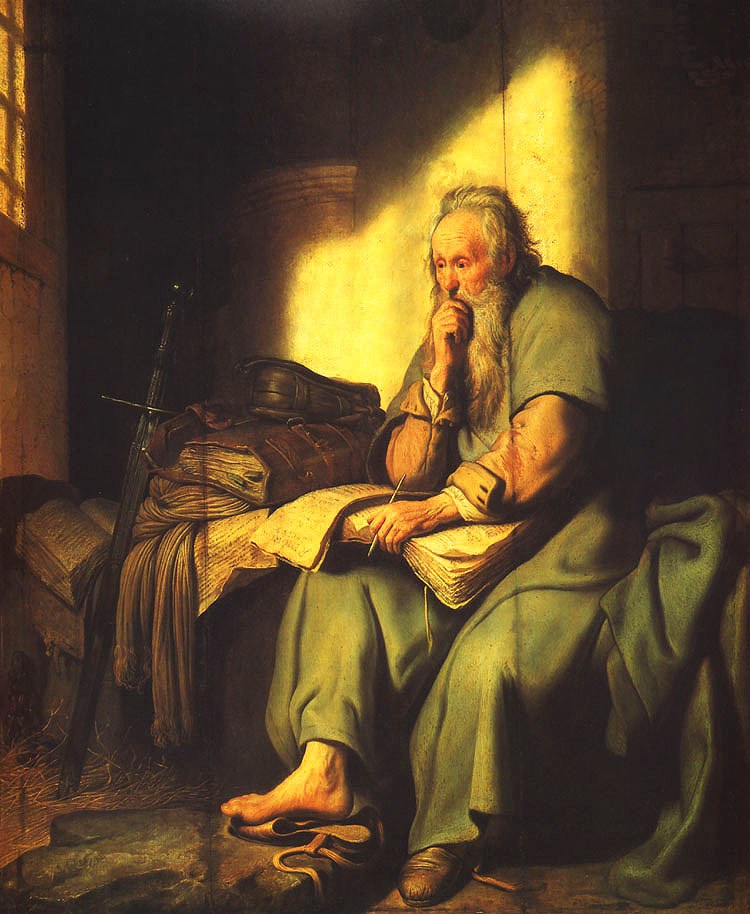
Prayers in which we implore God for His help, in which we bare our souls to Him in the fullness of our vulnerability, should be constant and daily. This is how God most appreciates our prayer life because this form of prayer is most personal and utilizes every free moment we have to reorient ourselves to God. Through them, we can most sincerely acknowledge His presence. That being said, we often might (erroneously) feel as if He ignores these types of prayers. After all, we do not receive a message back from Him immediately, nor does He respond to us in the way that we do from anyone else with whom we communicate. This type of prayer is also most common in very difficult periods of life when we need God the most. Despite this, He might seem distant and uninterested in our suffering. This type of prayer is the exact type of prayer we hear from this Sunday’s first reading from Habbakuk. How long must we continue this form of communication? We pray, but He does not seem to answer. We ask, but He does not seem to listen. We suffer, but He seems to refrain from intervening. God answers these challenges very clearly through the words of the passage: wait. Wait to see what He has planned. Wait until your suffering is contextualized in the broader sense of your life. Being rash and not waiting is what makes us suffer most; The purpose of prayer is not necessarily for God to listen to our needs, but for us to listen to God’s answer. God knows our hearts and He knows our pain, but He will only respond to us clearly when we humble ourselves and approach Him in prayer. His response needs to be discerned amidst the distractions of life, which makes it difficult if we are not opening our hearts or focusing too much on the difficulties of life. If we are impatient with our own hardened hearts, we will never be able to find His answer to our supplications. We will never be empowered to act according to His Will.
Once we listen to His response, we have to be courageous on our faith journey. We will be scared, we will stumble, and we will despair. Do not let despair prevent you from moving forward. As Paul tells us, we must not be ashamed of our Christian identity, even when it causes suffering. True courage is being scared, but doing what needs to be done anyway. When you are fearless in the face of persecution or suffering, the desire to live a Christian life becomes virtuous and attractive, not a hindrance to your pleasure-seeking. Do you want to be more faithful? Pray. Do you want to know how to pray better? Work towards building up your relationship with God so that you might hear Him. Treat Him like a friend. Acknowledge His presence at every moment in your life, from your daily movement to even when you sleep at night. We have responsibilities as Christians; simply do the work and you will begin to recognize God trying to communicate back to you. Above all else, do the work courageously. God loves a cheerful giver, but He truly delights even more so in a courageous worker–one who prays faithfully, listens humbly, and waits patiently for His will to be revealed.
© 2026 All Rights Reserved
Site by 